
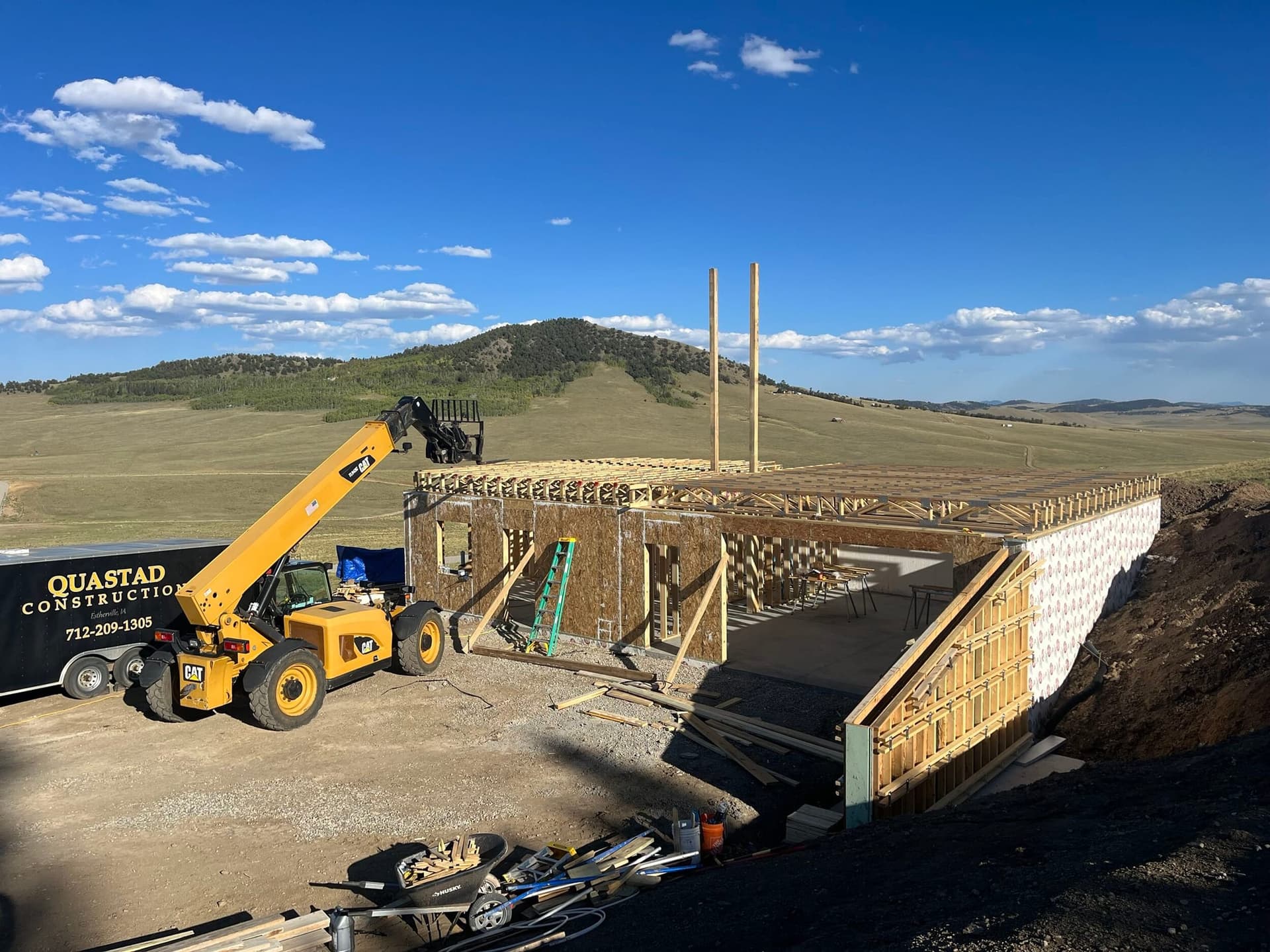
Energy Efficiency Measured, Not Promised
Federal research and homeowner data show what happens when an airtight, well-insulated envelope works with right-sized mechanical systems.
Start with measured homes, not a manufacturer projection.
Energy performance comes from the house working as one system: shell, air barrier, insulation, ventilation, and mechanical equipment. The strongest evidence tracks the energy that system actually used after people moved in.
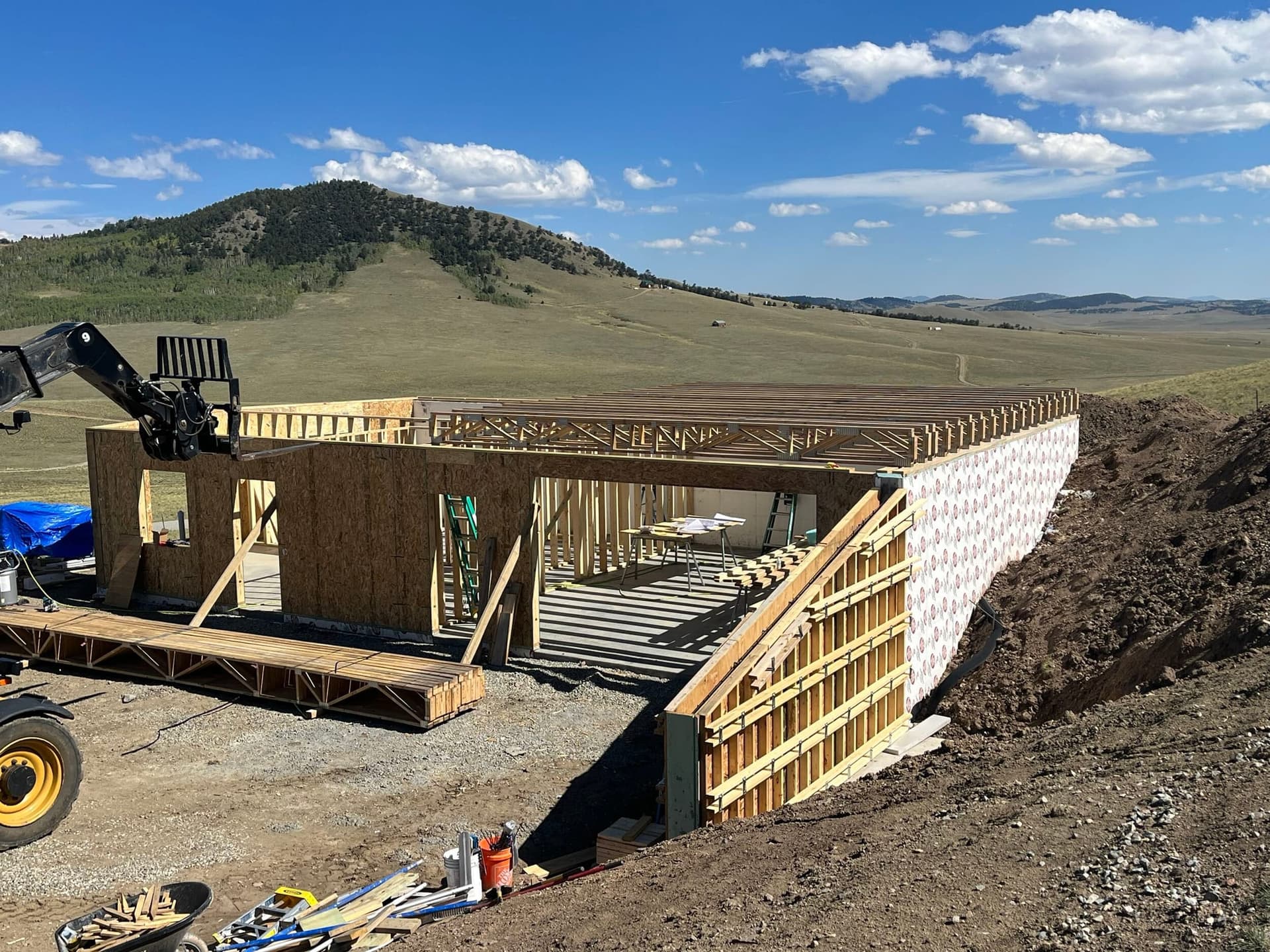
One full year under Oak Ridge instrumentation.
Oak Ridge National Laboratory and the U.S. Department of Energy monitored ZEH5, a 2,632-square-foot SIP demonstration home, for a full year. With an airtight envelope, mechanical ventilation, and extensive moisture controls, it used 50% less energy than the DOE Building America benchmark.1
Federally monitored
Full-year data
1.65 ACH50 envelope
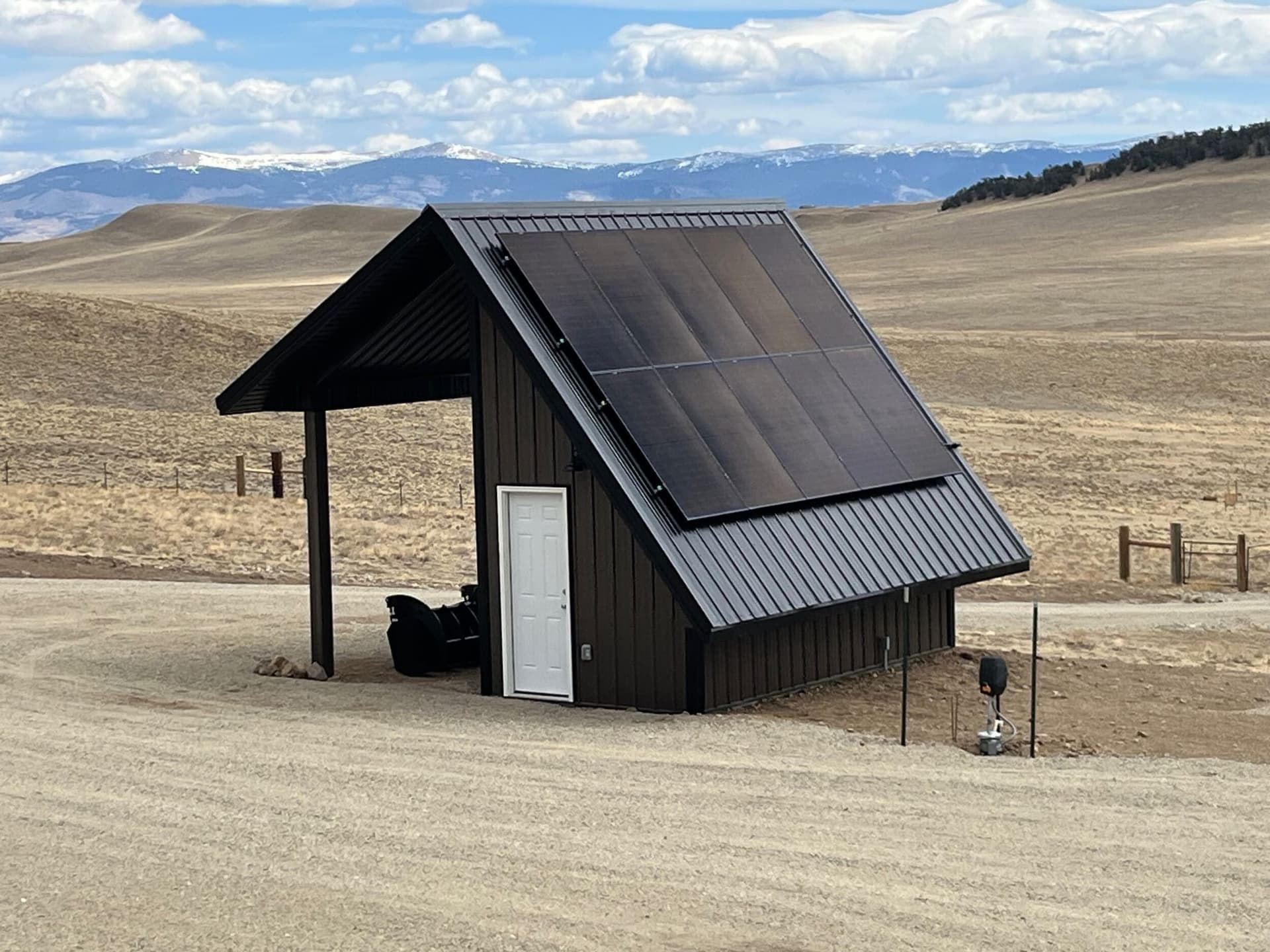
The result also appears at national and Colorado scale.
More than 12,000 DOE Zero Energy Ready Homes are typically 40–50% more efficient than a typical new home. In one DOE Tour of Zero case study, the owner of a 3,800-square-foot Durango home reported near-zero electric costs and about $350 in propane from July through May. That is a case study, not a promise for every home, but it makes the long-term opportunity concrete.23
12,000+ certified homes
Colorado case study
Results, not guarantees
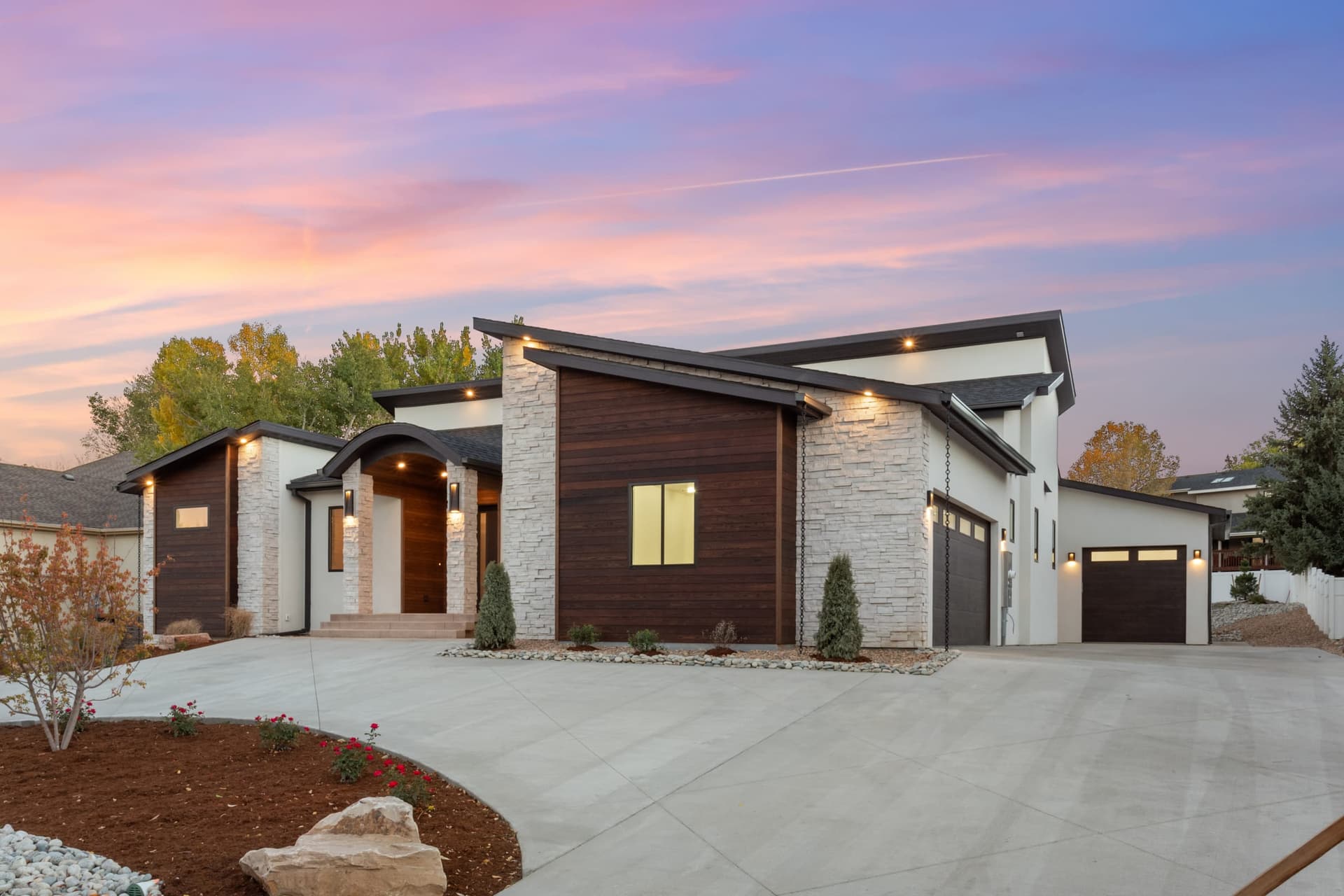
Airtightness reduces the load before equipment meets it.
Oak Ridge testing found a SIP test room roughly fifteen times tighter than its stick-framed counterpart. Less uncontrolled leakage means the mechanical system is not constantly replacing conditioned air lost through cracks; related Building America SIP research reported reaching the same comfort target with substantially smaller HVAC equipment.41
Less uncontrolled leakage
Steadier temperatures
Right-sized systems
Research behind the page
Sources & Citations
- Oak Ridge National Laboratory / U.S. Department of Energy, ORNL/TM-2011/17, High Performance Homes That Use 50% Less Energy Than the DOE Building America Benchmark Building. Federally monitored structural-insulated-panel demonstration home (ZEH5), Lenoir City, TN: 50% less energy use than the DOE Building America Benchmark over a full year of metered data, with a 1.65 ACH50 airtight envelope and an extensive moisture-control package.
- U.S. Department of Energy, Zero Energy Ready Home (ZERH) Program, National Program Requirements. DOE-certified ZERH homes — over 12,000 nationwide — are typically 40–50% more energy-efficient than a typical new home, and must meet EPA Indoor airPLUS indoor-air-quality requirements as a condition of certification.
- U.S. Department of Energy, Tour of Zero homeowner case study, Durango, CO. Independent homeowner account of a certified Zero Energy Ready Home reporting near-zero electric costs and approximately $350 in total propane costs across a ten-month heating season.
- Christian, Jeff, and T.W. Petrie, Heating and Blower Door Tests of the Rooms for the SIPA/Reiker Project, Oak Ridge National Laboratory, 2002. Blower-door testing found a structural-insulated-panel test room to have approximately 90% less air leakage — roughly fifteen times tighter — than an equivalent stick-framed room with fiberglass insulation.
Sources marked “Industry testing data” reflect structural insulated panel industry testing and manufacturer field data, cited here by source rather than represented as independent research. All other sources draw on independent government, national laboratory, and public agency data.
Ready to talk through a project?
Share the project type, location, timeline, and finish level you have in mind. Kiefer Built can help determine fit before planning gets too far ahead.