
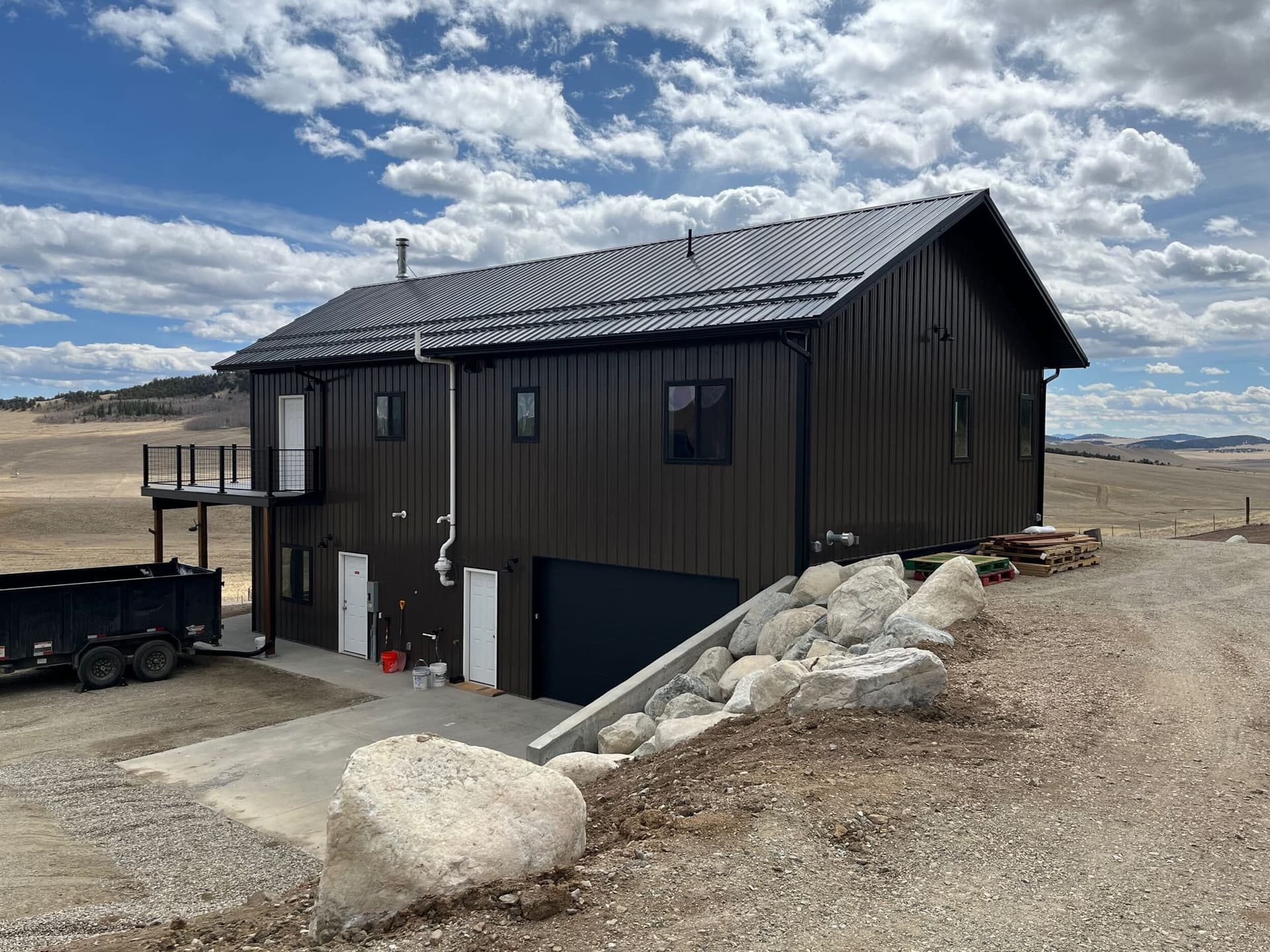
Cheaper to Build Is Not Always Cheaper to Own
The construction price is paid once. Energy use, weather exposure, maintenance, and repairs continue through every year you live in the home.
A bid is a snapshot. Ownership is the full film.
The right up-front decision is not automatically the most expensive one, and a high-performance feature is not automatically a good investment. The honest comparison asks what each choice changes over the years you expect to live there, then makes that tradeoff visible before construction.
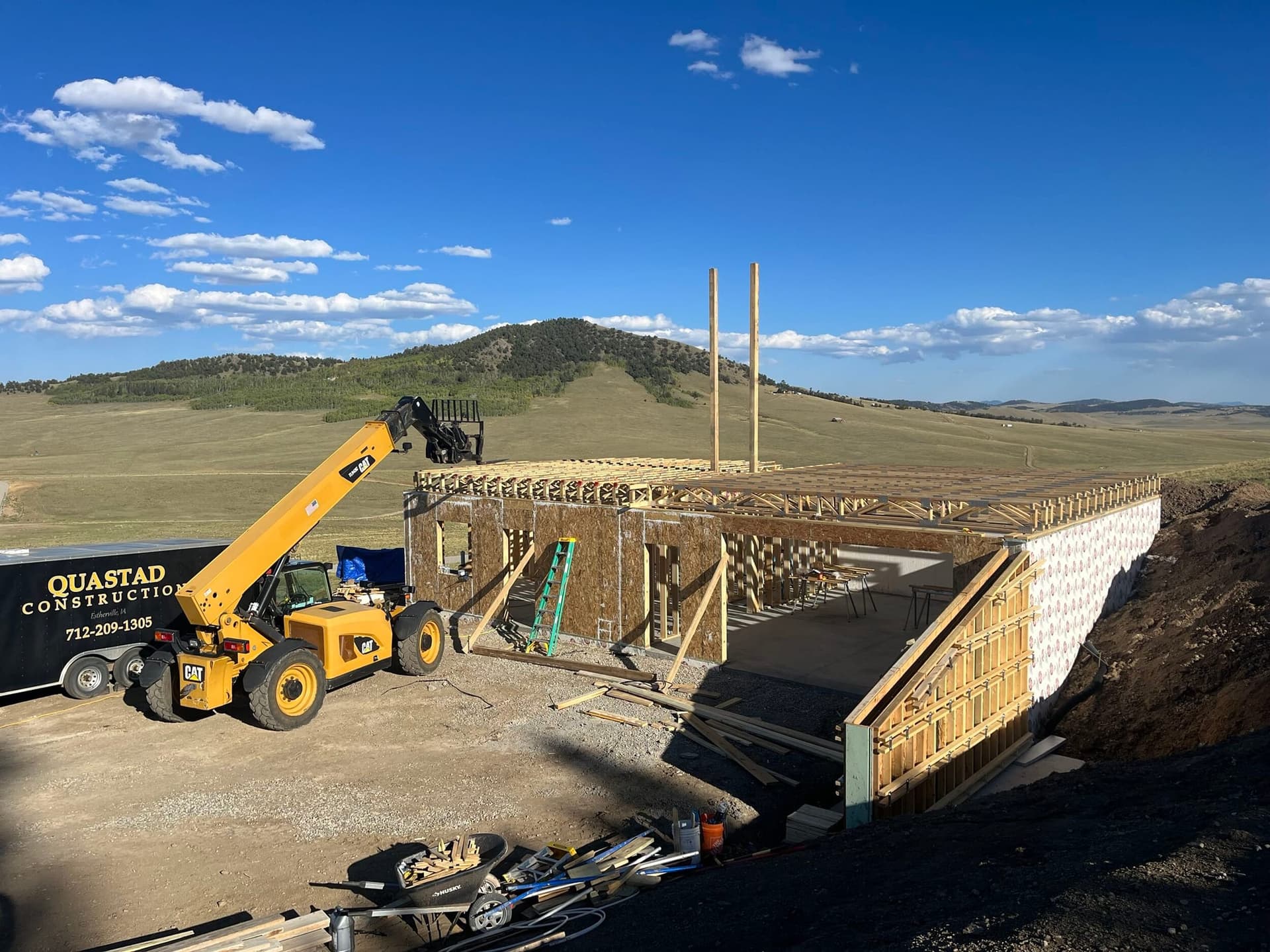
Energy costs repeat every month.
DOE-certified Zero Energy Ready Homes are typically 40–50% more efficient than typical new homes. A Durango case study makes the scale tangible: one owner reported near-zero electric costs and about $350 in propane over a ten-month heating season in a 3,800-square-foot home. Actual savings depend on design, climate, fuel prices, and occupant behavior.12
Recurring savings
Case-specific results
Transparent assumptions
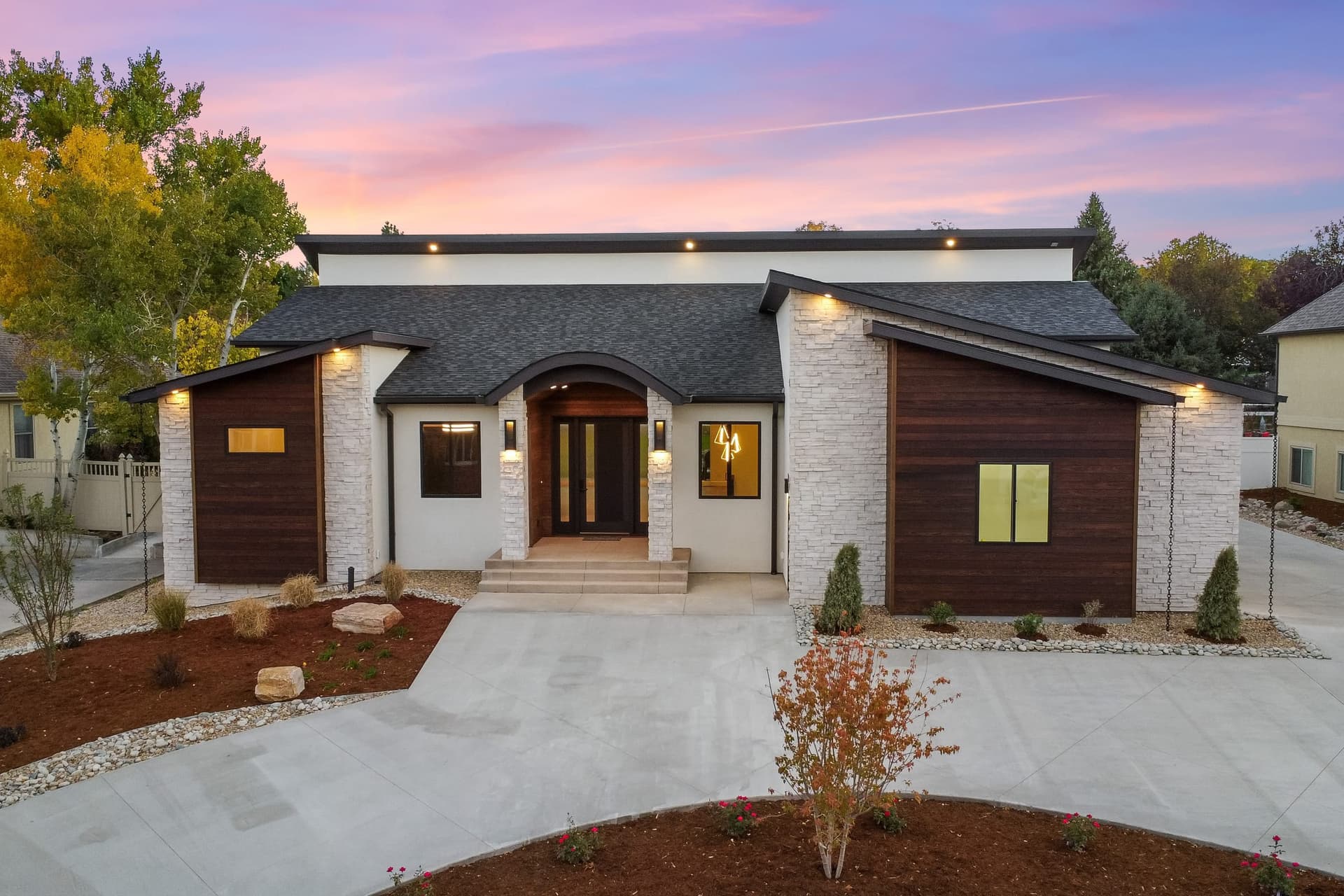
Colorado weather belongs in the ownership budget.
Colorado ranks second nationally for hail insurance claims, and hail led the state's insured losses in eight of eleven reported years. Impact-rated roofing and durable exterior assemblies are therefore not just finish choices; they are options worth pricing against replacement cycles, insurance terms, and site exposure.3
Hail exposure
Replacement cycles
Insurance conversation
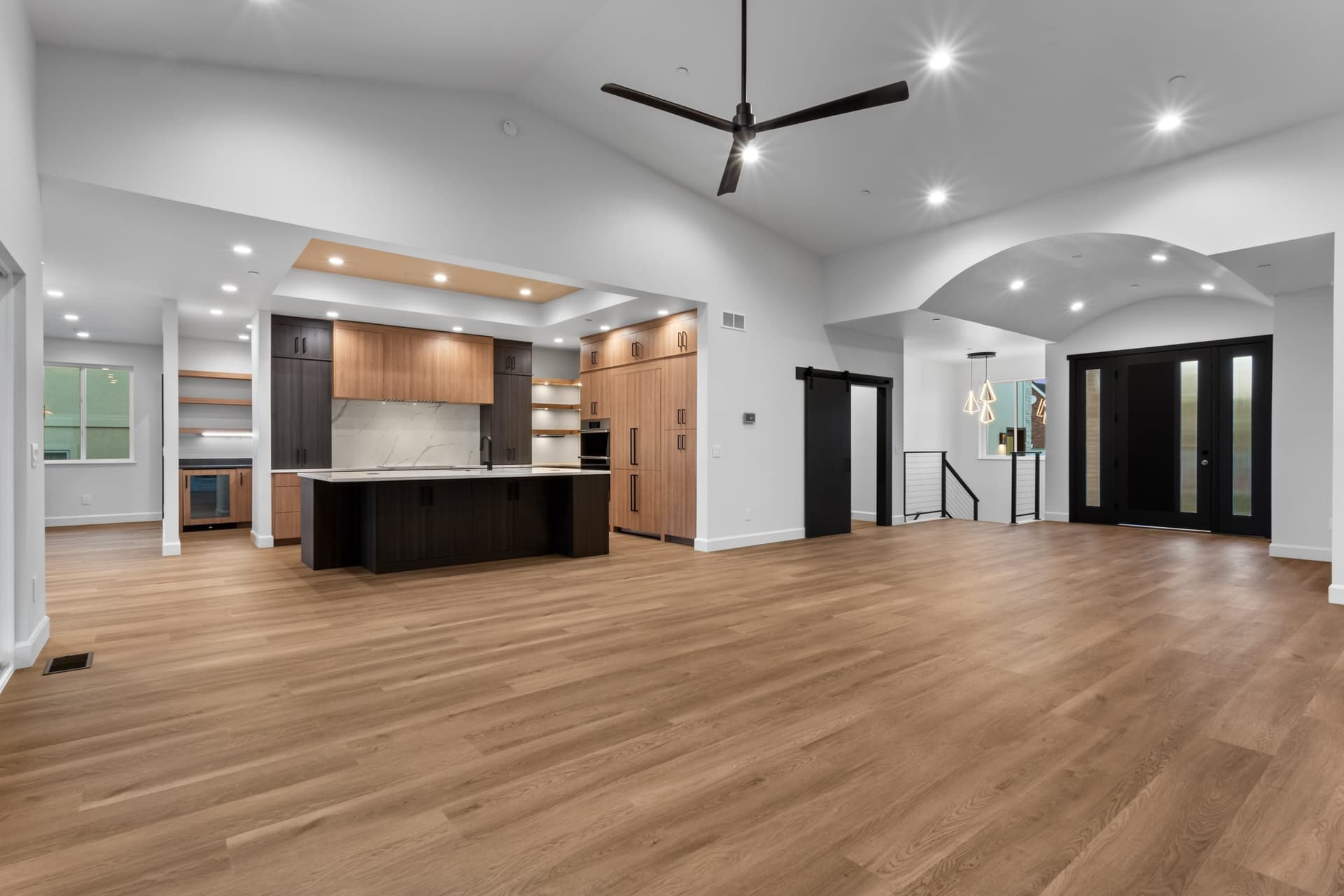
The most useful partner makes tradeoffs visible.
Kiefer Built's role is to explain what a proposed assembly costs, what evidence supports it, and what risk or operating expense it may reduce. That is the long view behind a forever home: not the most features, but the clearest decisions for the next forty years of living there.
Open tradeoffs
Evidence before upgrades
Long-term fit
Free homeowner resource
The Kiefer Built Homeowner Guide
Use the full 9-page guide to compare health, energy, resilience, and long-term value before you build.
Research behind the page
Sources & Citations
- U.S. Department of Energy, Zero Energy Ready Home (ZERH) Program, National Program Requirements. DOE-certified ZERH homes — over 12,000 nationwide — are typically 40–50% more energy-efficient than a typical new home, and must meet EPA Indoor airPLUS indoor-air-quality requirements as a condition of certification.
- U.S. Department of Energy, Tour of Zero homeowner case study, Durango, CO. Independent homeowner account of a certified Zero Energy Ready Home reporting near-zero electric costs and approximately $350 in total propane costs across a ten-month heating season.
- Rocky Mountain Insurance Information Association and Colorado Division of Insurance, public hail-loss reporting. Colorado ranks second nationally in hail insurance claims; hail has been the leading driver of the state's insured losses in eight of the past eleven years; the May 2017 Denver-metro hailstorm caused an estimated $2.3 billion in damage.
Sources marked “Industry testing data” reflect structural insulated panel industry testing and manufacturer field data, cited here by source rather than represented as independent research. All other sources draw on independent government, national laboratory, and public agency data.
Ready to talk through a project?
Share the project type, location, timeline, and finish level you have in mind. Kiefer Built can help determine fit before planning gets too far ahead.